
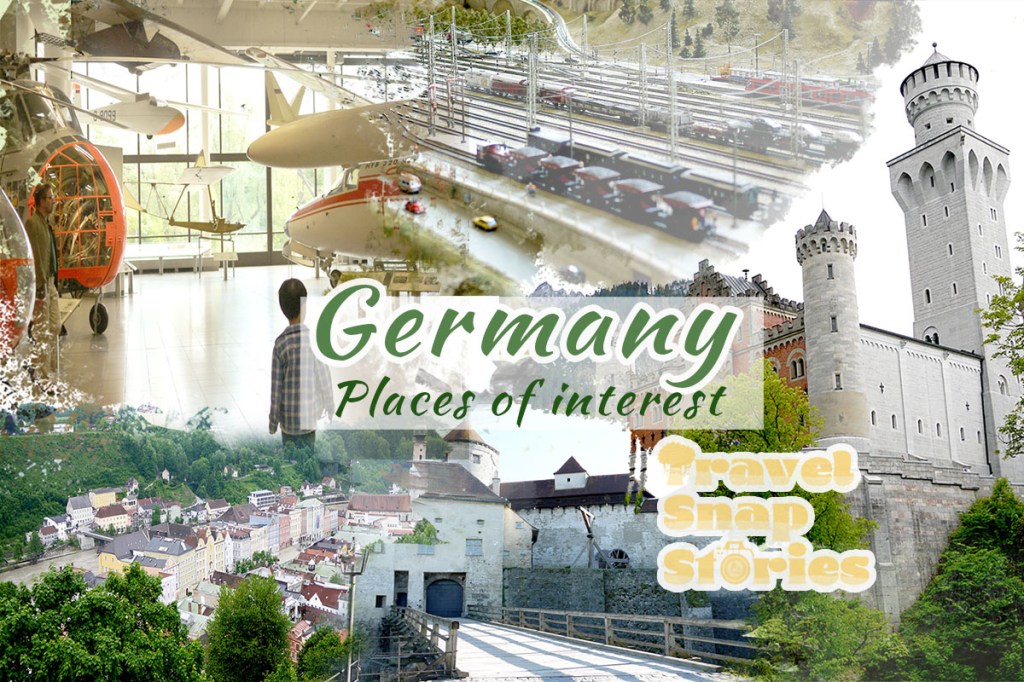
*This trip happened in 2013 and this post is a compilation of the places in Germany we went to, which is still relevant as of October 2025
Back Story: Stay in Germany for 6 weeks
Vin were sent by his company to Germany for 6 weeks’ training. I was doing contract work and decided to end my work in amicable terms to follow him there. It was a suitable time as Dar was a five-year-old and could pause kindergarten for a month to travel. I was excited to explore the Europe Continent as it would be our first time there. Thus, we spent 6 weeks in Germany, travelling during the weekend to other Europe places (Austria, Italy, Slovenia, Croatia, Czech Republic) while the last week was spent in Switzerland. While in Germany, I spent my time planning our trips and blogging about our travels.
Where we went to in Germany (June 2013):
*Click on the following links to bring you to the direct section:
- Burghausen
- Neuschwanstein Castle in Hohenschwangau
- Munich City
- Deutsches Museum
- Bayern Park
- Würzburg Residenz
- Rothenburg ob der Tauber
1. Burghausen
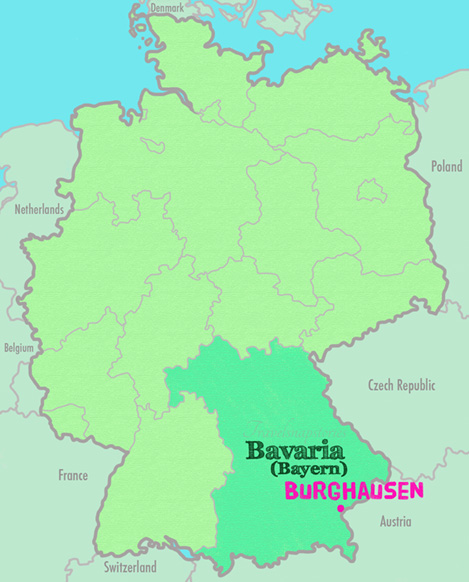
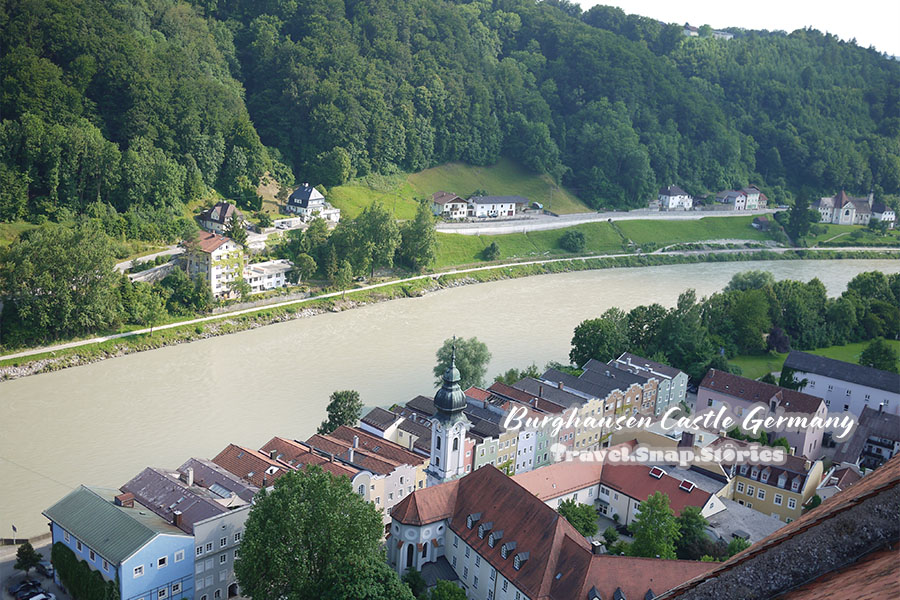
Burghausen located at south-east Bavaria, Germany was where we stayed for 6 weeks in Europe. It is situated on the Salzach river near the border of Austria and part of the Altötting district. The aparthotel we stayed in was a short 15 minutes walks from Burghausen Castle and we visited it frequently for walks and exploration. Burghausen Castle is the longest and third largest castle in Europe and a fortress bordering Germany.
A) Burghausen Castle
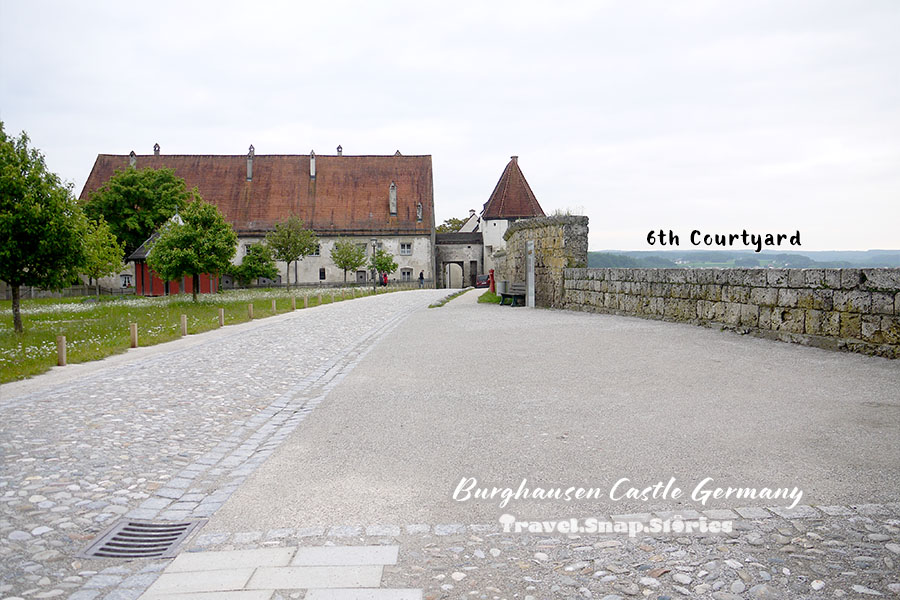
There are a total of 6 courtyards and we explored all of them, visiting a museum in the 1st Courtyard which contained ancient paintings. We started our walk at the 6th courtyard which consists of the administrative offices, the officials’ residences and staff quarters.
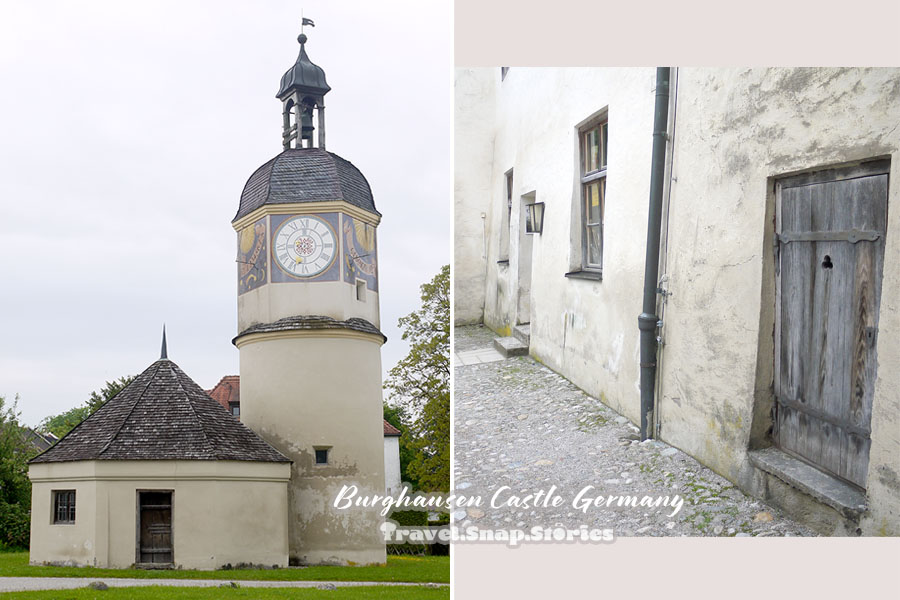
As we all admire historical and artistic things, it was a great experience walking through an ancient castle for real. At the 5th courtyard, there was a tower which gave great views of the Burghausen Old Town below and Austria across the Salzach river. It was windy and peaceful and if you are not rushed for time, you could stand there for a long time admiring the scenery.
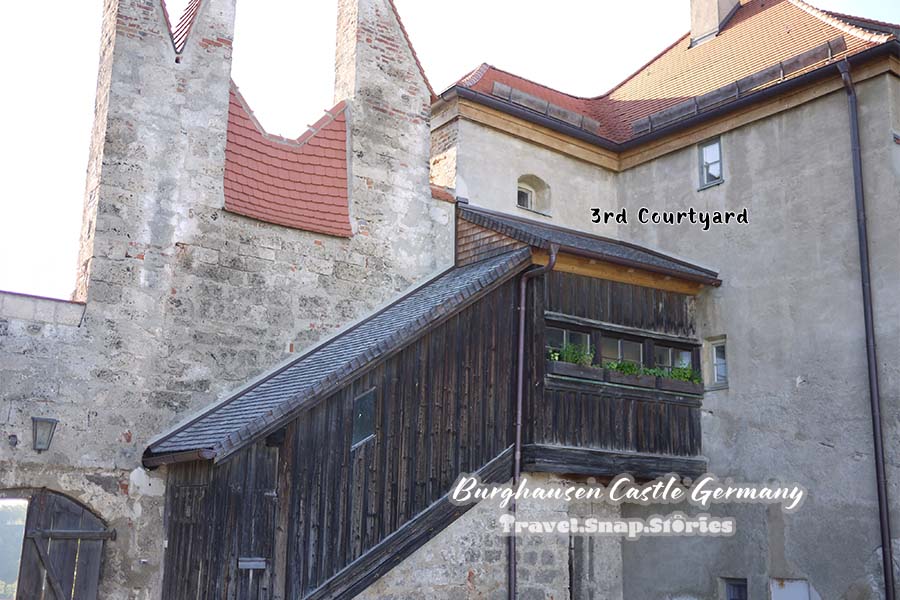
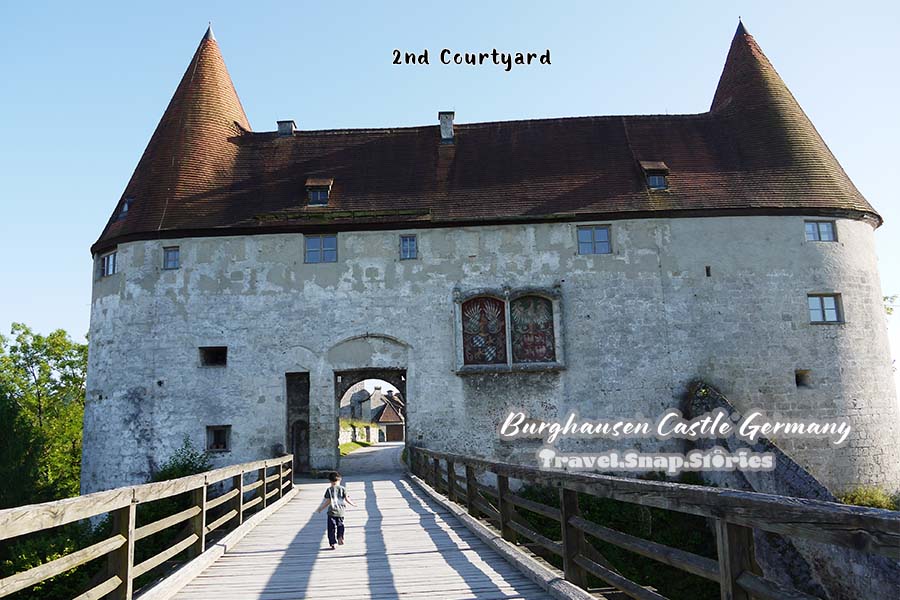
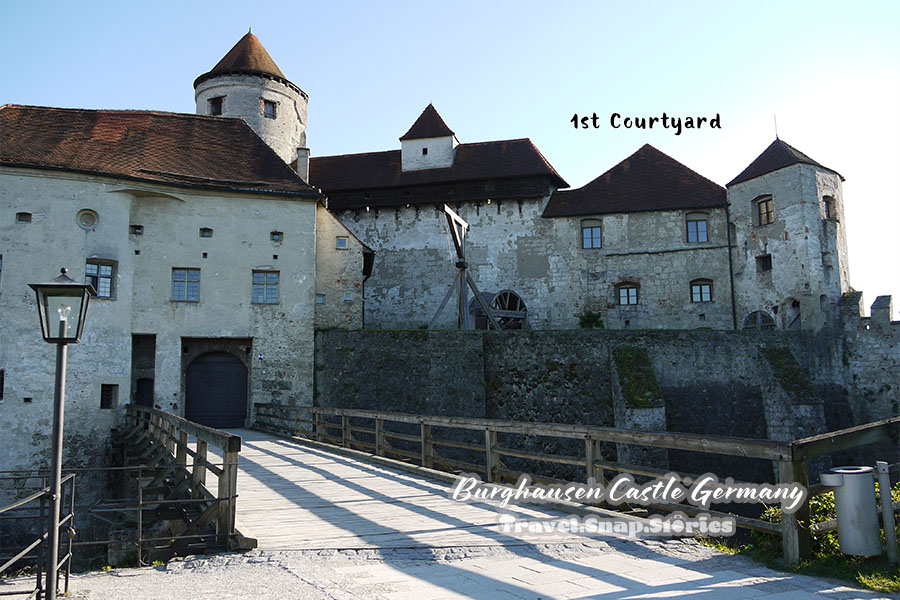
1st Courtyard State Gallery
According to Wiki, the duchess of Duke Henry XVI (1393–1450) was banished here and it became the residence of the Duke’s consorts and widows, and a stronghold for the ducal treasures. Therefore, royal women and children together with servants taking care and protecting them were the main residents of this castle.
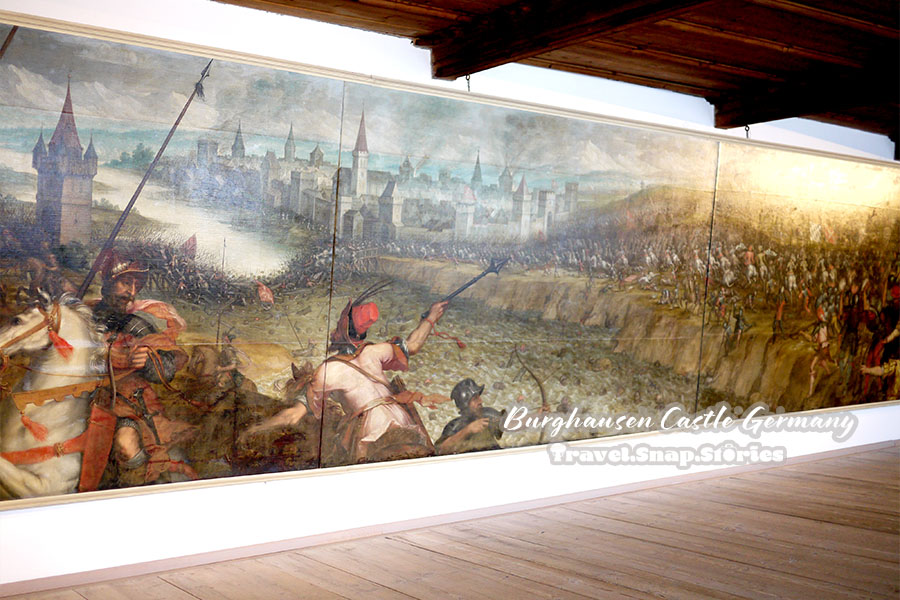
The first floor was of the Ducal Apartments where the Duke stayed when he visit. The second and third floor was the State Gallery of Burghausen where a collection of 56 paintings were displayed. We saw several tapestries, Christian paintings, a royal painting of the Ducal Family, the Duke’s bedroom and a painting of Saint Catherine but they were only a replica of how the place would have looked. According to the official website, the original items were not preserved. It was still quite interesting for us to look at these historical stuff. The most impressive item is the painting of a battle siege on a Castle. The painting was huge and stretches across the entire wall. Every little details of the soldiers at war was drawn in. The expression and actions were all different and very vivid. Looking at it, we felt as if we were transported back to that particular time in history.


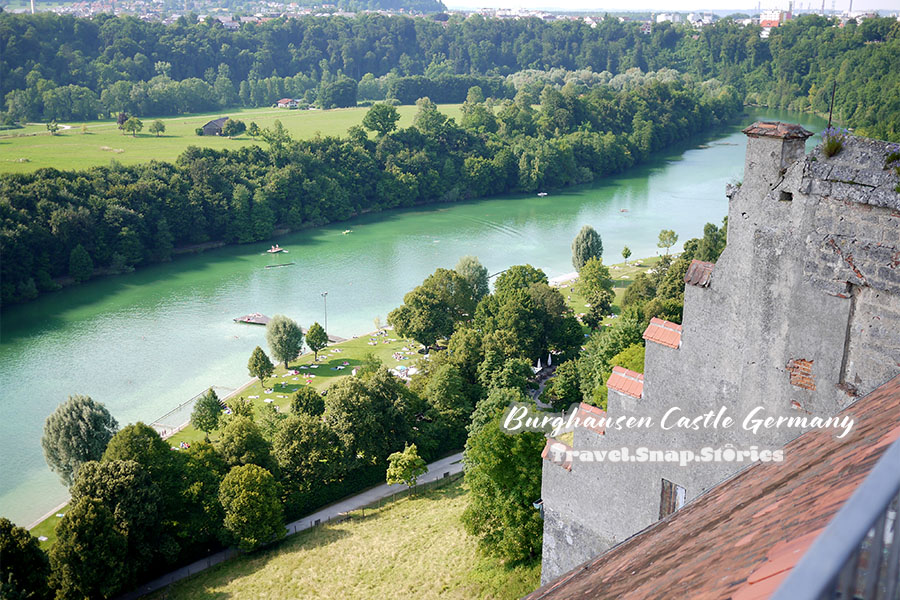
From here, we followed a winding staircase with 62 steps to the top of the castle, opening out into a lookout platform. The panoramic view was gorgeous.
(source: Pamphlet published by the tourism board of Burghausen)
It is the longest castle in Europe, spanning 1043m. The main castle in the first courtyard is the oldest preserved structure. The architecture was first constructed in 2nd B.C and continued to be re-modified, and expanded throughout the ages. This current form with 6th courtyards was constructed in the 15th century and began its use as a self-contained defence and residential castle. It ceased to be used as a fortress in 1809 and renovation works continued to this day.
Entrance Fee : Free
B) Lake Wöhrsee
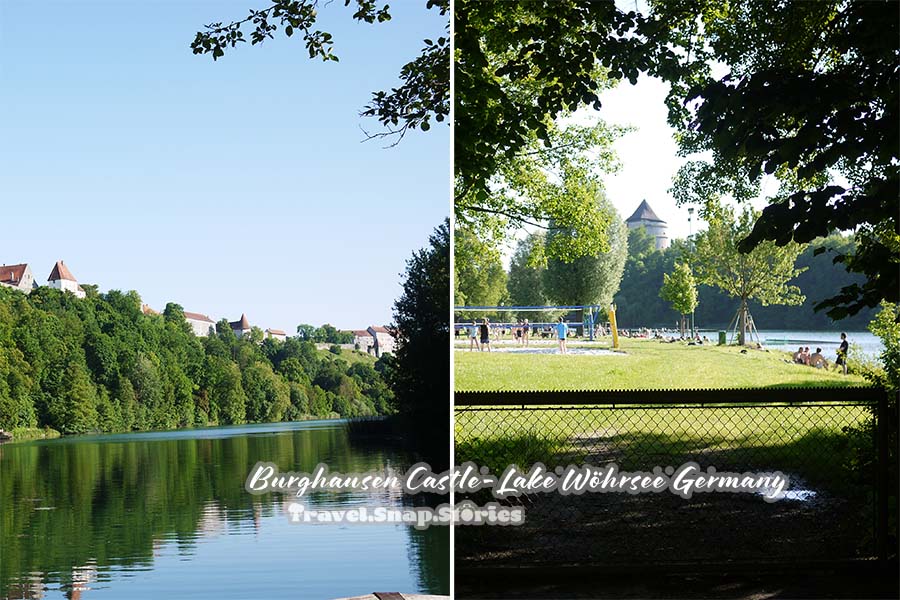
Lake Wöhrsee can be accessed from the 3rd Courtyard of the Burghausen Castle. It has a tranquil forest path which we love to walk through and a barricaded swimming recreational area for people to pay for a fee to swim in the lake during the summer.

C) Burghausen Old Town
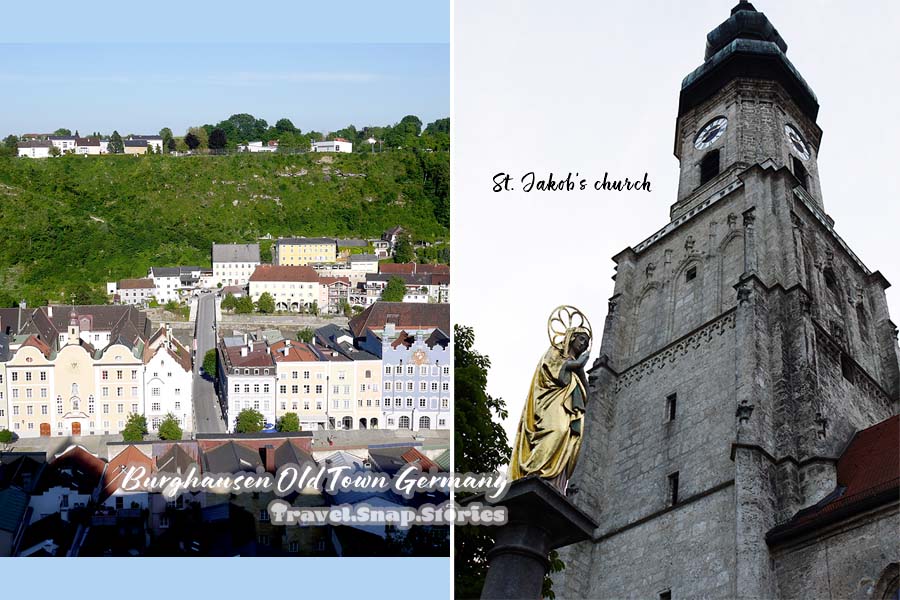
Burghausen Old Town is at a lower altitude than the castle, we had to walk down a long steep slope to get there. Pastel-colored houses houses with gabled roofs lined up the spacious town square, Stadtplatz ,which is considered one of the most beautiful squares in Central Europe. We had dinner in a restaurant doing the European style of ‘street-side’ dining but it was quite humid and warm. St. Jakob’s church is an iconic structure here for church-goers. It was consecrated in 1140, destroyed by a few fires and rebuilt several times. Located by the town square was also the ancient Regierungsgebäude (former Government Building), which was built in the 16th century with three decorative Renaissance-turrets.
D) Salzach River
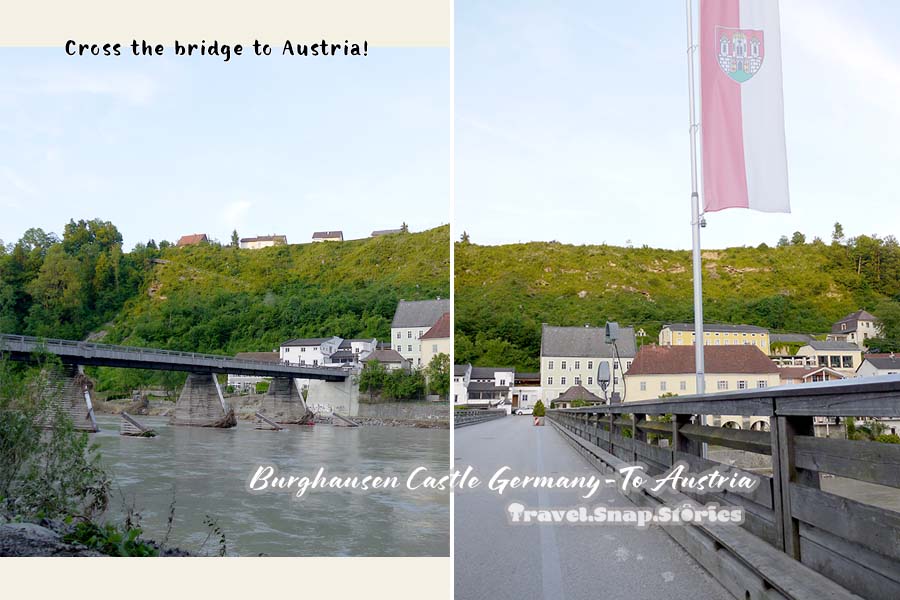
Running alongside was the Salzach River, the main river of the Austrian state of Salzburg. The river’s name is derived from the German word Salz, meaning “salt”. Until the 19th century, shipping of salt down the river was an important part of the local economy. The shipping ended when railways replaced the old transport system. There was only a narrow walkway on the bridge over Salzach River, where vehicles travel in both directions between Burghausen and Austria. We were excited to cross the bridge into another country within minutes.
2. Neuschwanstein Castle in Hohenschwangau
Getting to Neuschwanstein Castle was a feat itself as it required us to take the regional bahn for 2 hours from Munich Central Station to Füssen Station. After that, we transferred bus from the bus stop behind Füssen Station to Hohenschwangau for a 15 minutes ride.
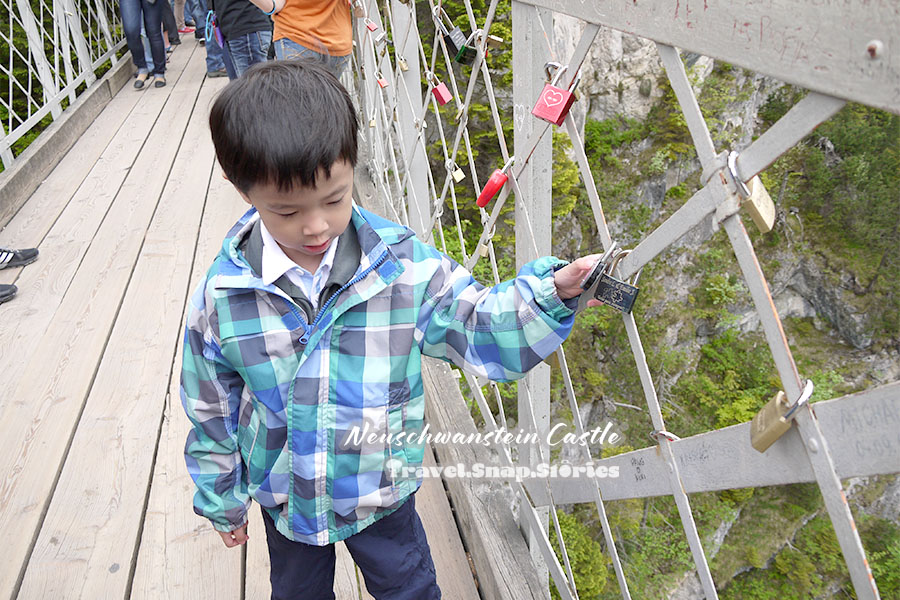
Upon reaching, we booked a guided tour in English and it was at 1.10pm, nearly two hours’ away from the time we reached. Thus, we had to while our time away exploring the castle grounds. First, we took a 10-minutes bus to Marienbrücke which was a narrow bridge for people to view and take photographs with Neuschwanstein Castlele as the background. With the strong wind and the extreme height, it felt a bit scary looking down. It was built very solid however since it did not shake no matter how many people were standing and moving across. The view of Neuschwanstein Castle from the bridge was simply magnificent and we could finally see for ourselves why it was so well-known for its beauty.
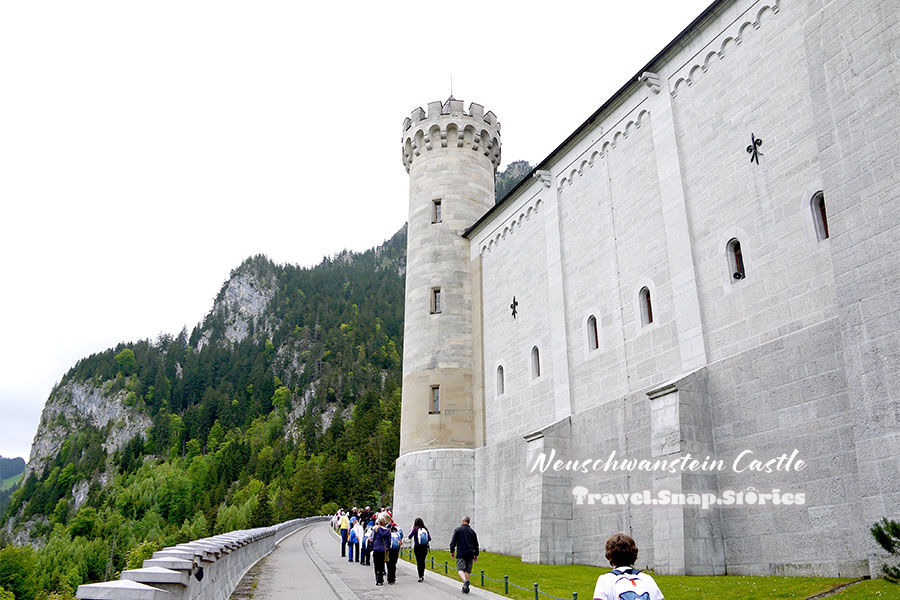
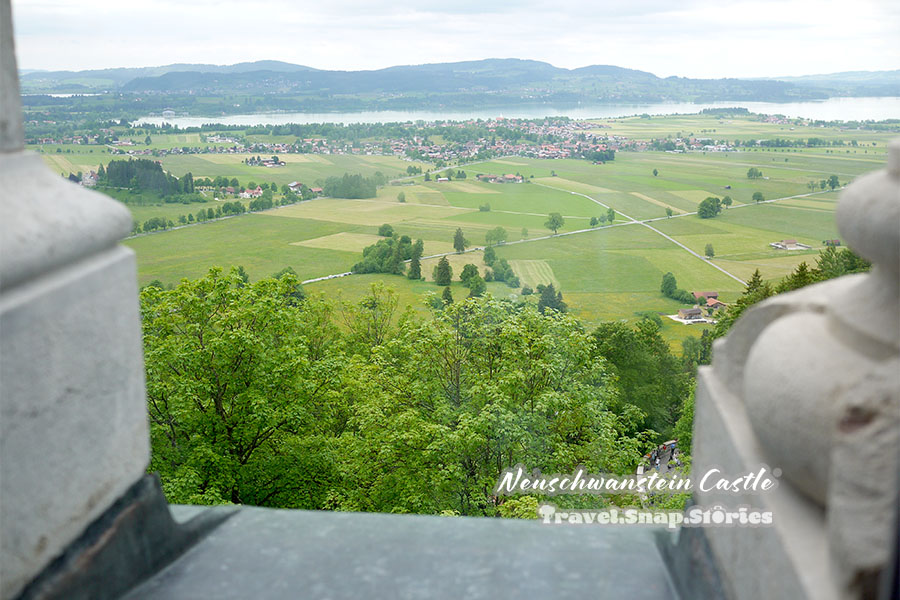

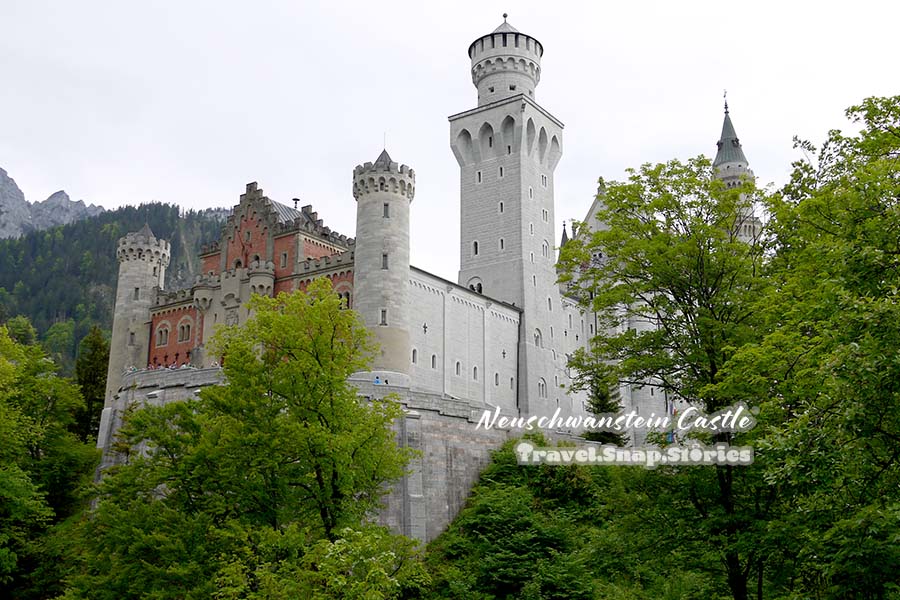
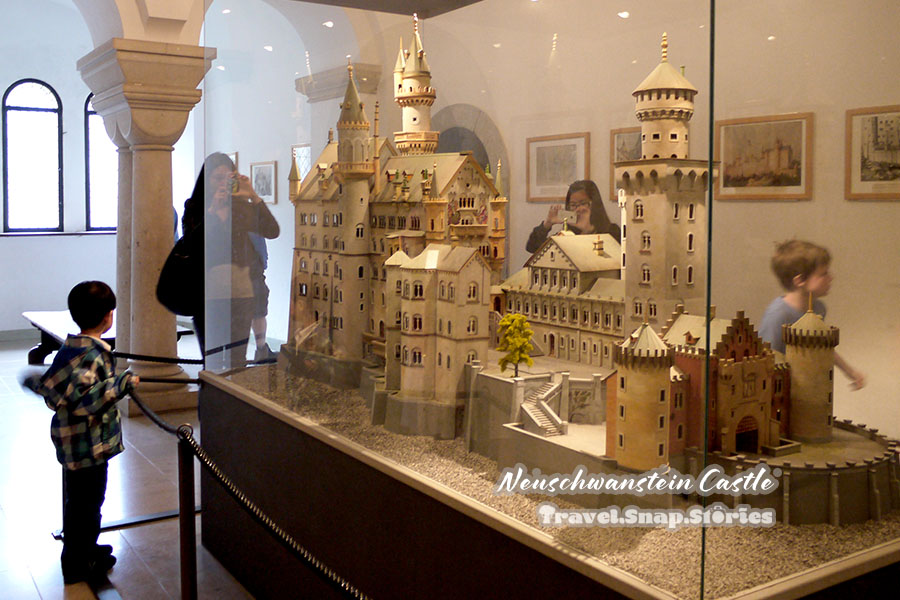
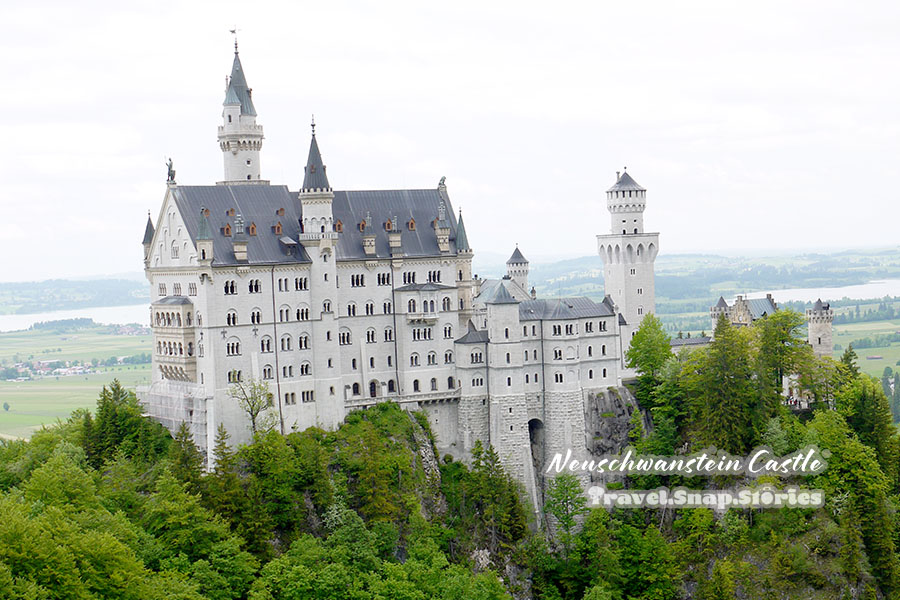
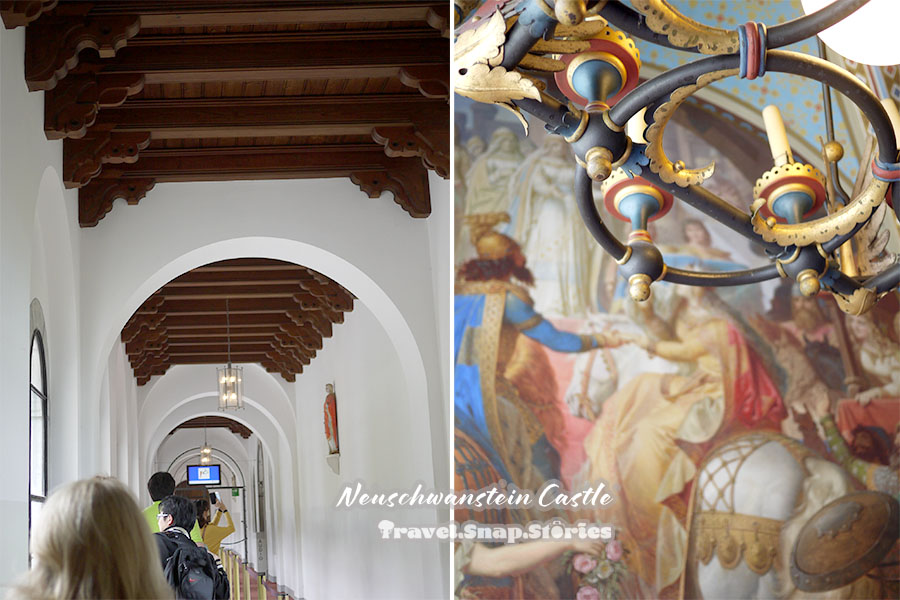
When the tour of the inside of Neuschwanstein Castle started, we were informed that photo-taking was not allowed. While walking through, we were bedazzled by the exquisite furnishings and drawings in each of the rooms. Unfortunately after King Ludwig II’s mysterious death, the construction was not fully completed so Neuschwanstein Castle remained an unfinished castle till today. Only about 15 of the planned 200 rooms were finished. The tour guide was good and we learnt a lot about what we were seeing in that little time. Everybody was awed at the extravagant and elegant furnishing. (The castle could not be completed due to the insufficient funds). Each room was filled with rich, vivid colours.

First Horse-Carriage Experience
After touring, we took the horse carriage down from Neuschwanstein Castle. This was our first horse-carriage experience and it is common to find it in Europe. However, the weather was bad and rain started pouring just when it was our turn to ride! Still, we decided to take the front seats beside the coachman to get a better view. Six-eight more people could sit behind us in facing positions. The thoughtful coachman covered both me and Dar with his jacket to prevent us from getting wet. We still got a little wet though as the heavy rain splattered in from the front. As time went by, I was sorry for the horses walking down the slippery slope in the rain. Fortunately, they care for the animals and made a switch of horses midway, so those poor horses could get a rest. New horses replaced the two and our ride was smoother afterwards.

3. Munich City
At Marienplaz, we watched the Rathaus-Glockenspiel, a clock that chimes at 11am (as well as 12pm & 5pm in the summer). The figures were very high up on the clock tower though and we could barely make them out. After 5-10 mins of watching the figures turned in accordance to the musical chime and not fully understanding the ‘story’, we got bored and left the area. The whole story enactment would have taken 15 minutes.
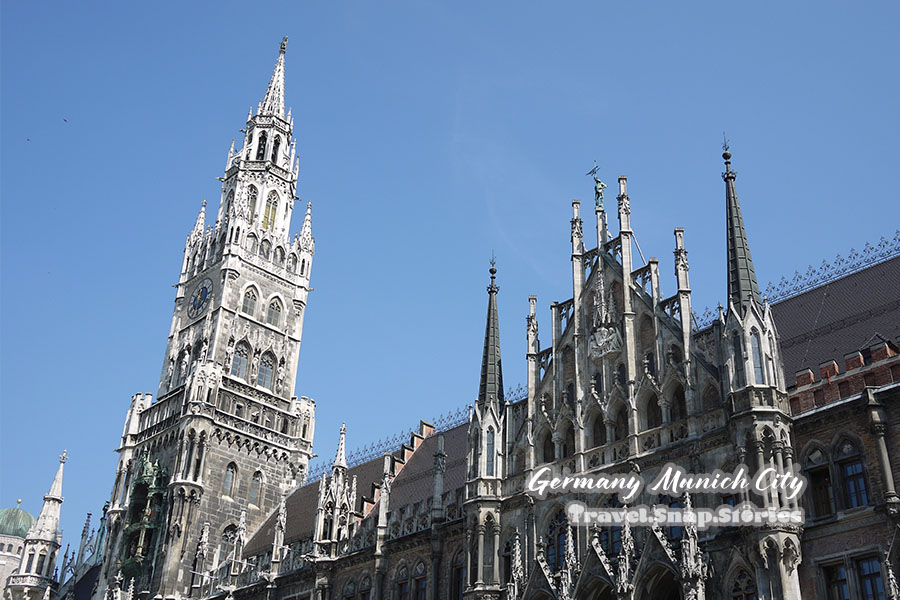
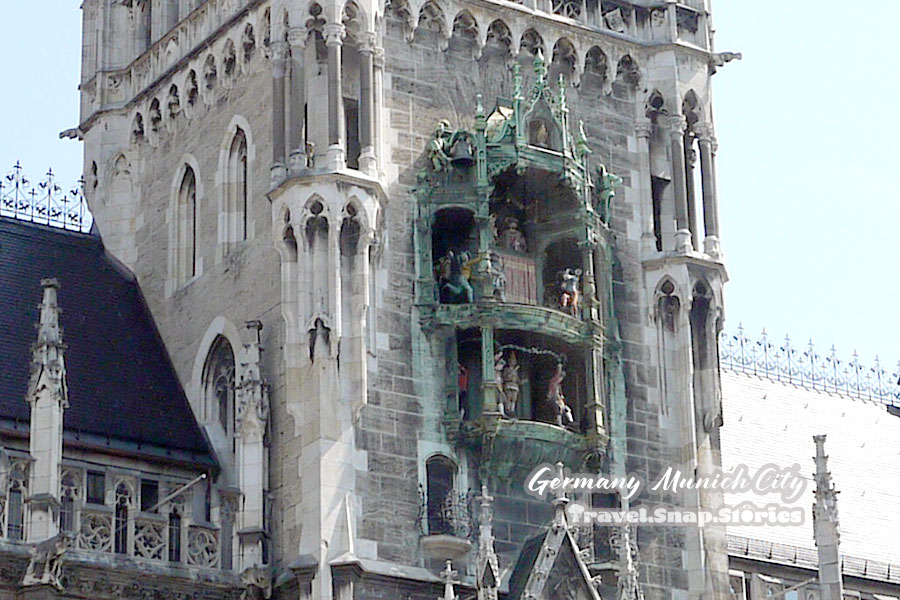
From reading up in the web: The story was about the wedding of a duke and duchess. In honor of them, a jousting tournament took place on Marienplatx. The lower floor shows the story of how dancers went out into the streets again to amuse a plague-sticken community.
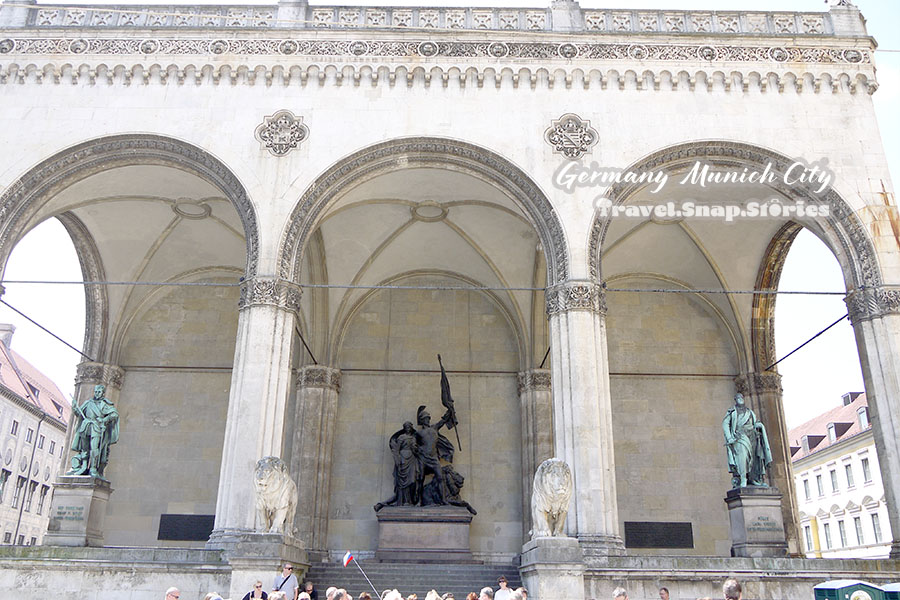
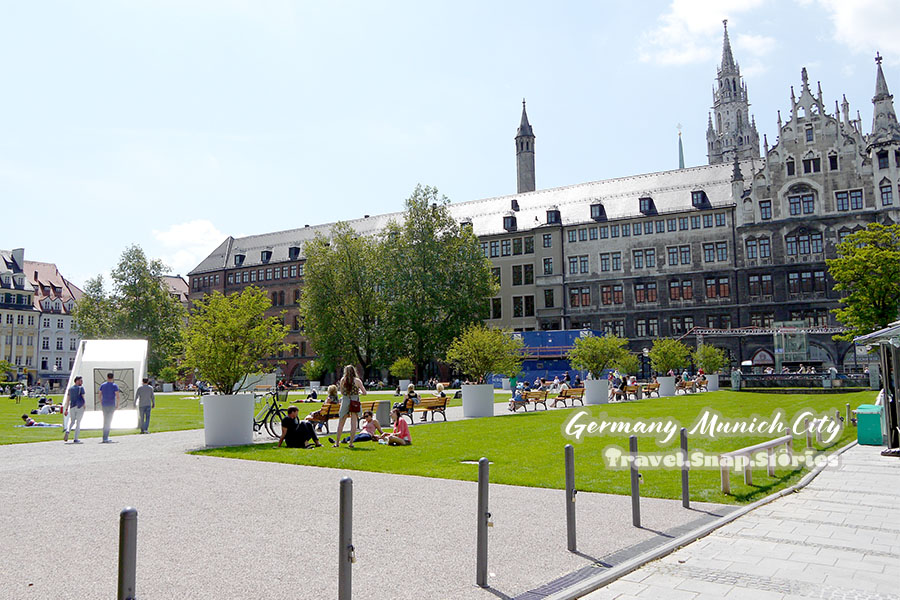
We walked around exploring the city before heading to the department store. We enjoyed looking at the European buildings because they are so different from what we are used to. People were just lying down and basking around on a huge grass patch at an area, enjoying the summer. The temperature was still more of cool than hot actually.

Model of High-Speed Rail Train – Where to Get
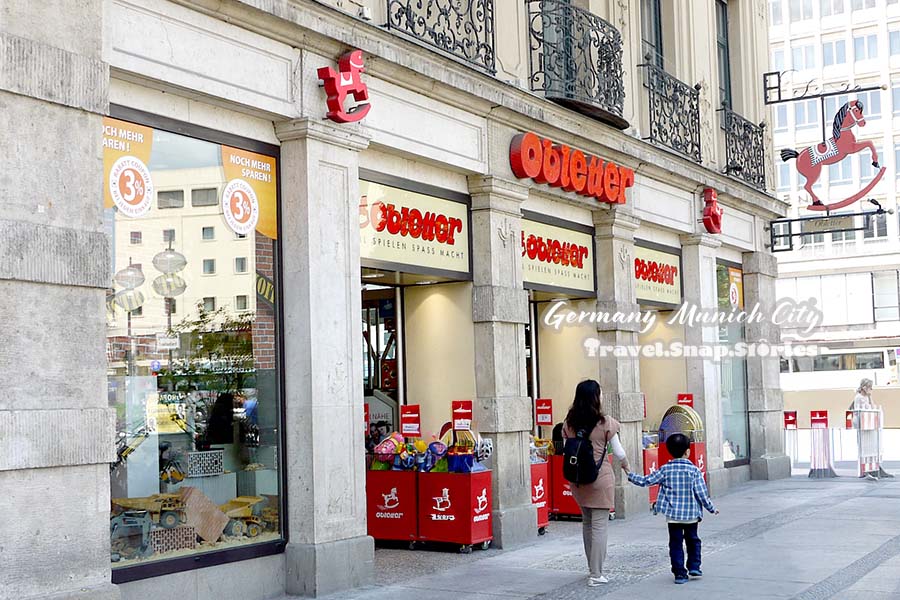
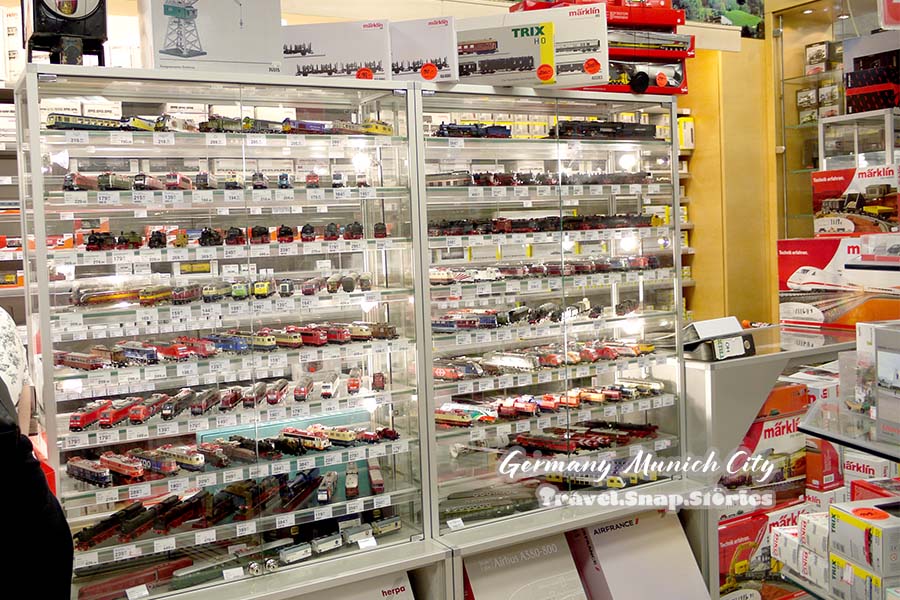
We visited the largest toy store in Munich City, Obletter located in Karlsplatz to get a toy model of the high-speed rail train. It was a huge store said to be filled with 16,000 toys. At the train section, there were lots of different models and some were for collectors, with a hefty price tage of hundreds Euro. There was a nice model of ICE with all the carriages and it cost $500. Fortunately, we found a kids’ version of the train and Dar was happy with that. With remote control and tracks, it costs about 50 Euro.

4. Deutsches Museum
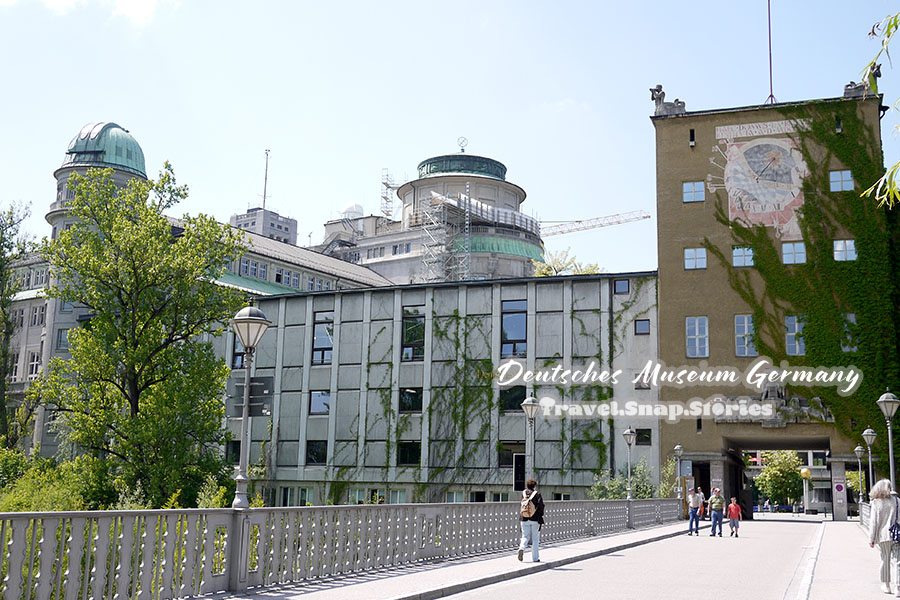
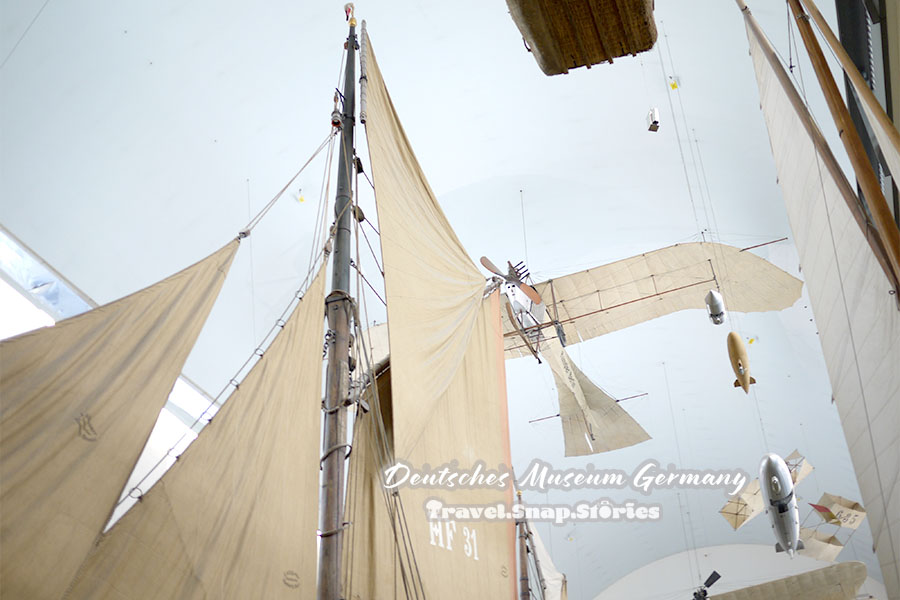
Deutsches Museum (“Doy-chers”) is the largest Science and Technology museum in the world and we visited it due to the Model Railway Demonstration (due to my boy’s interest in transport). We headed straight for the Transport section – At the “Shipping” gallery, we saw large models of different types of ships. At the “Aeronautics” gallery, we were amazed by the 50 original actual aircraft exhibits. It was a complete overview of the history of aviation. Some even had platforms beside for us to walk up inside of them to take a look. The information of each plane was displayed in English and German with their pictures in action. They were also placed it at a child’s height so my boy could read it easily.
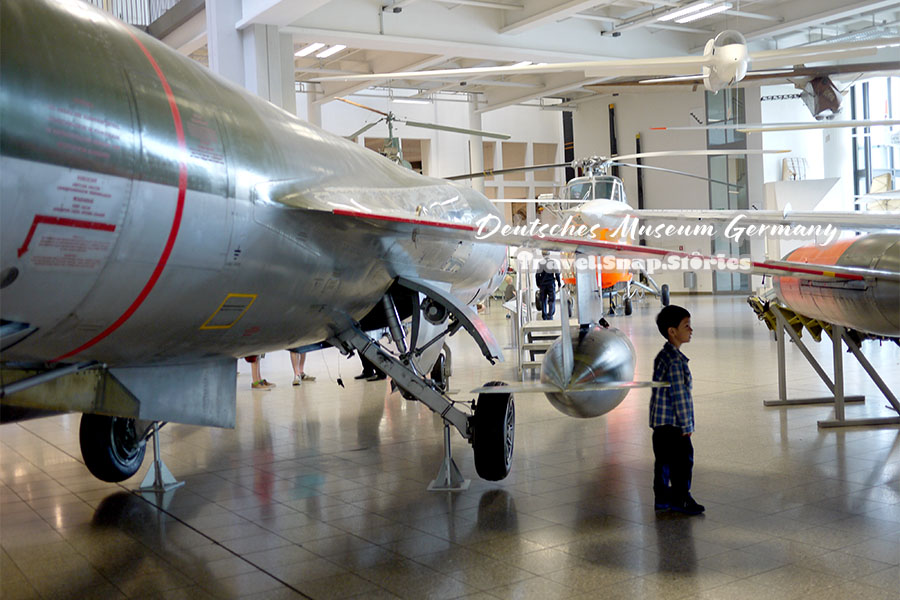
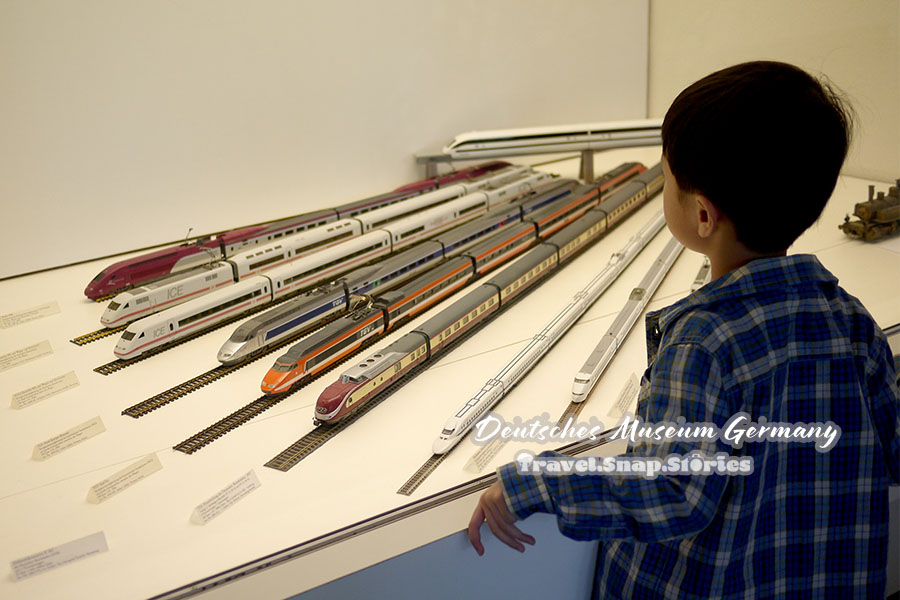
There was also a huge cross-section of an old Lufthansa plane (the plane we took to Germany). The cockpit was on display and we marvelled at the huge number of buttons and controls in the front and on the ceiling.
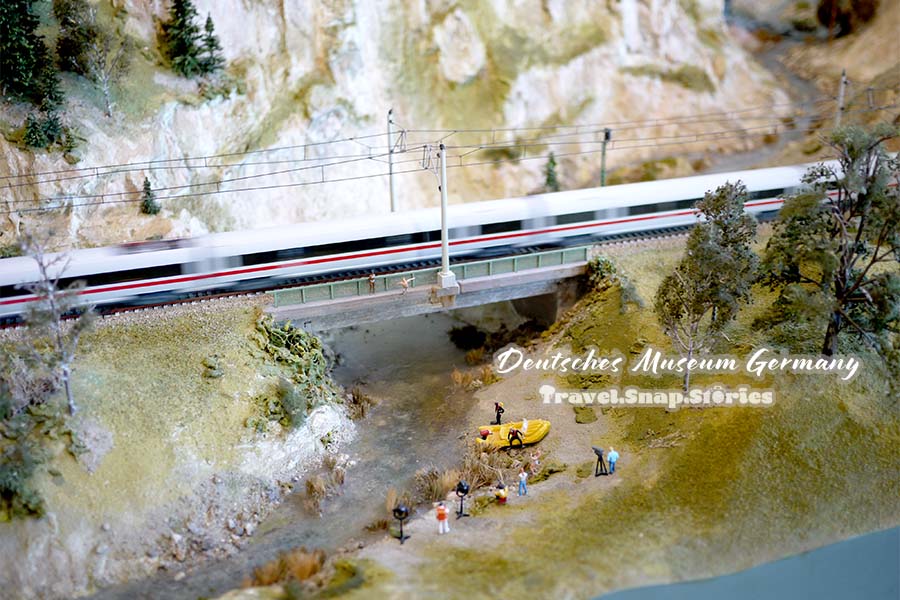
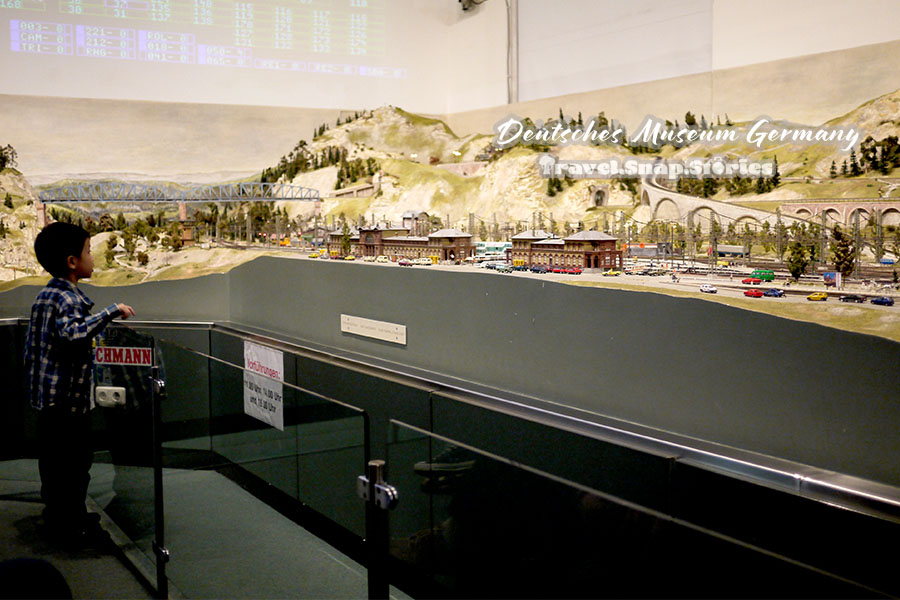
The Model Railway Demonstration was the highlight of the museum and the seats in the exhibition area were arranged in a curved convex arrangement so everybody could have a good view of the huge complex model consisting of landscape, trains, buildings, people and structures. The creation is modeled after real life and according to the website, “Everything works just like the huge originals, but all of it is just 1/87th as big as in reality. “
The best view is right in front of the staff controlling the trains through a computer system and we sat right there. There was even a close-up real-time projection of the train in action, showing its journey. As the staff was explaining in German, we did not get any of the information said but we still enjoyed looking at controlled trains. At one time, several trains could be moving at the same time. Some trains passed through tunnels, some over bridges and some were mountain railways. Finally, Dar’s favourite train, the high-speed rail ICE, got into action and he exclaimed in excitement.
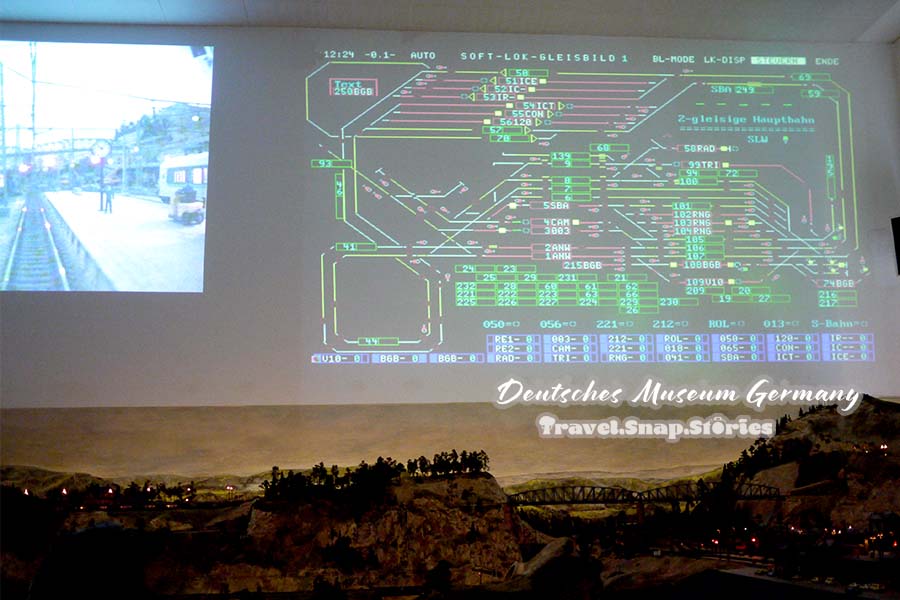
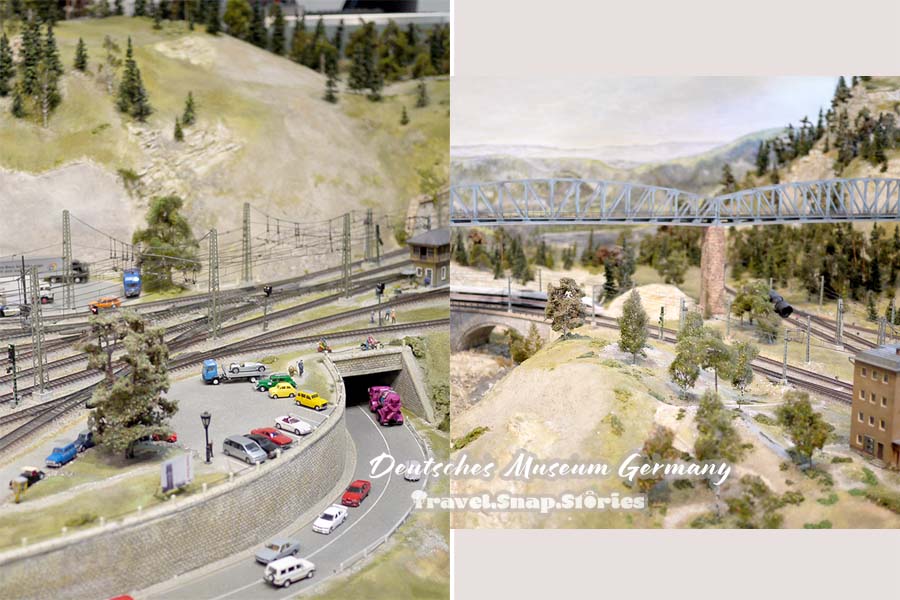
- MORE INFO OFFICIAL WEBSITE: https://www.deutsches-museum.de/en
5. Bayern Park in Reisbach
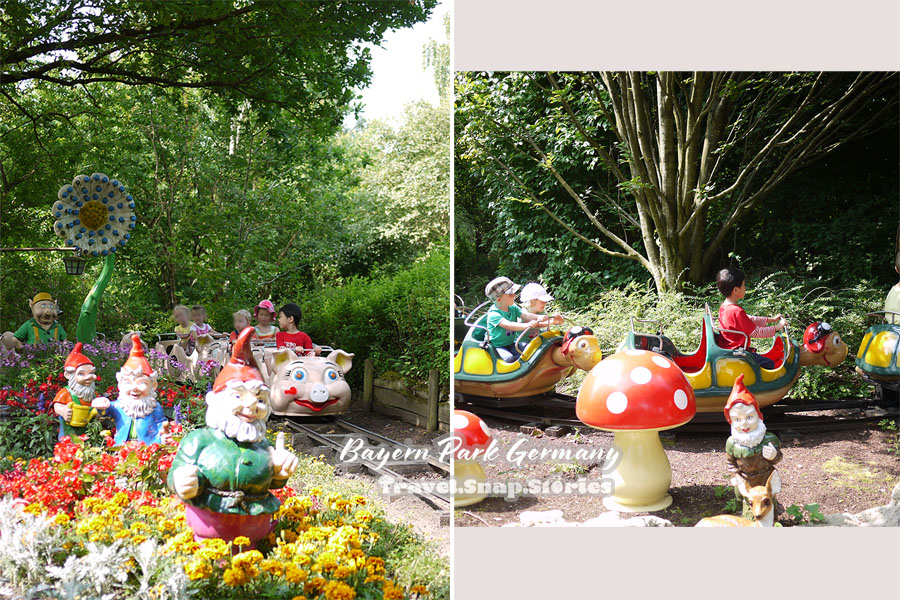
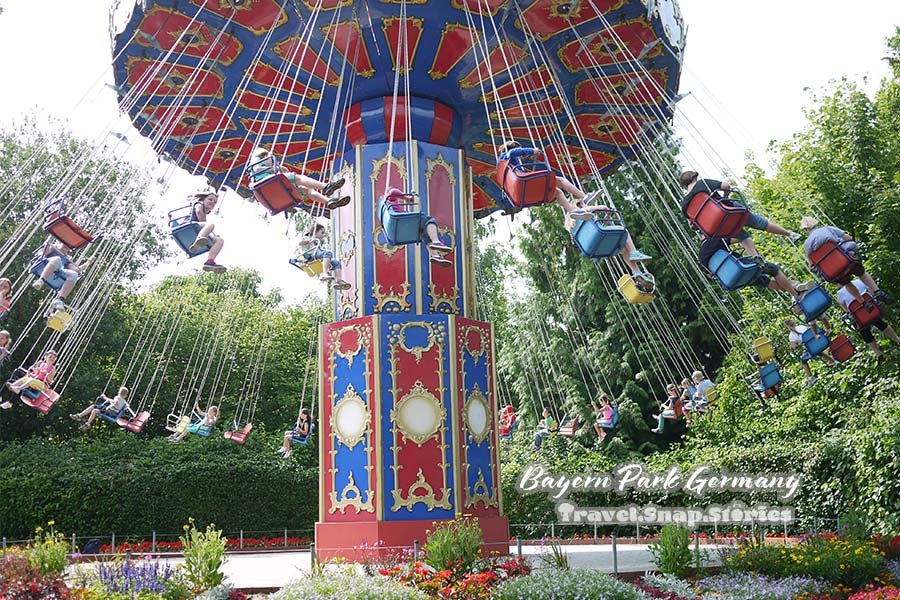
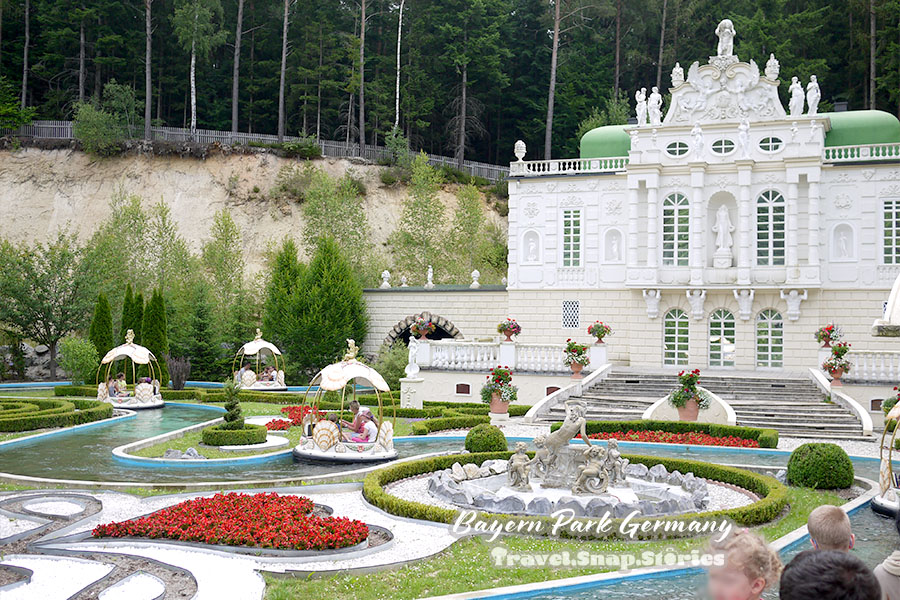
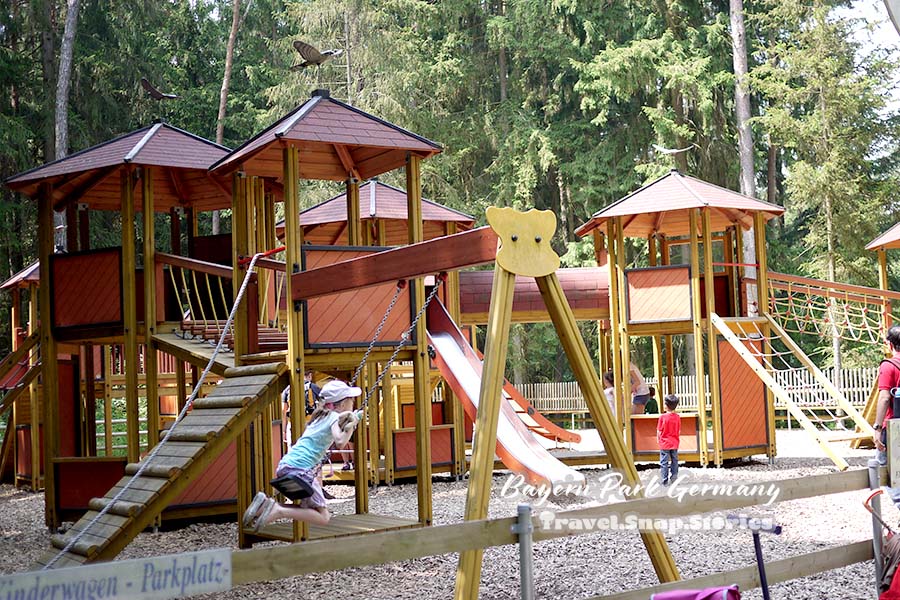
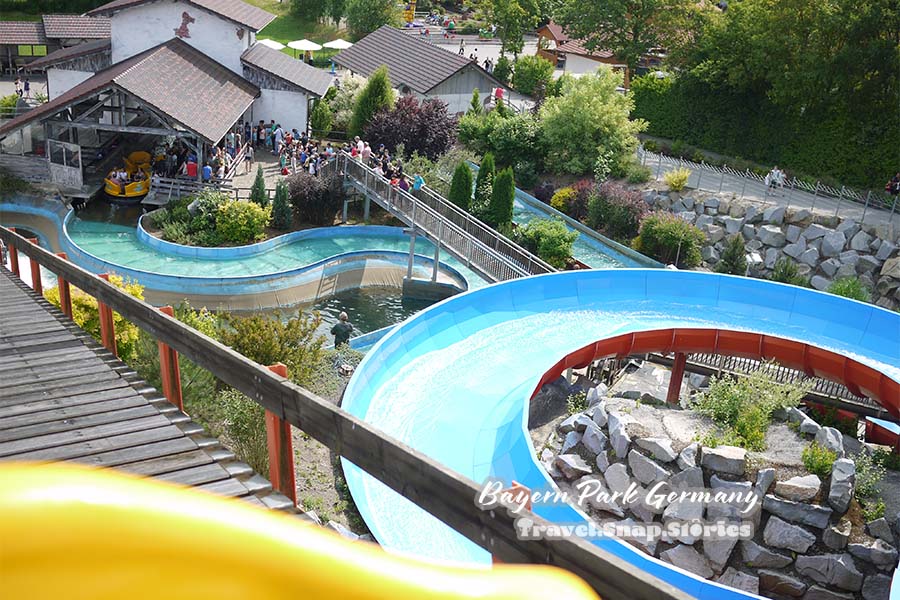
We wanted to bring Dar to a theme park as it had been ages since we went to somewhere fun just for kids. He had been tagging along with us to historical places and doing adult stuff so we thought we should reward him with spending time at a theme park for children. The nearest children’s theme park was Bayern Park which was located in Reisbach, about 50 minutes drive from where we were at (Burghausen).
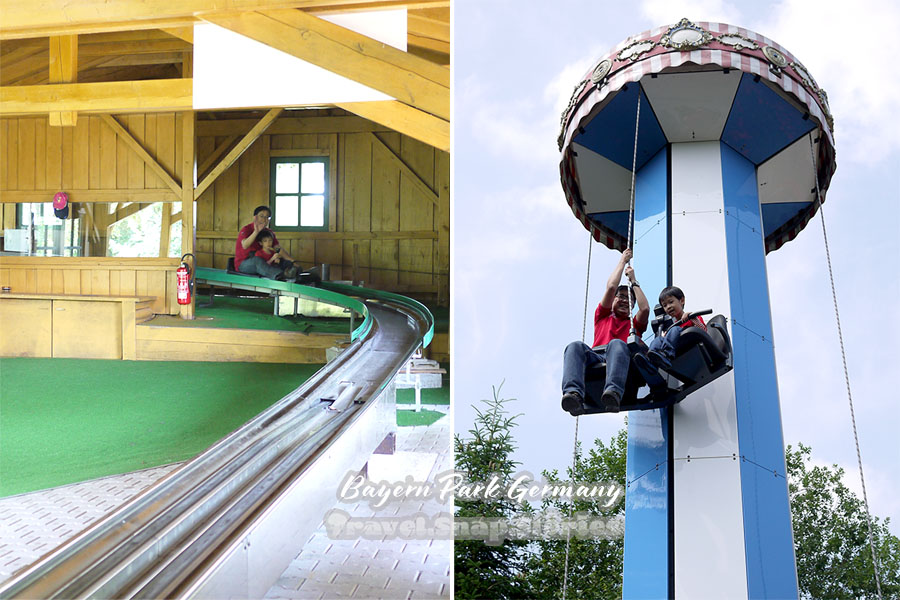
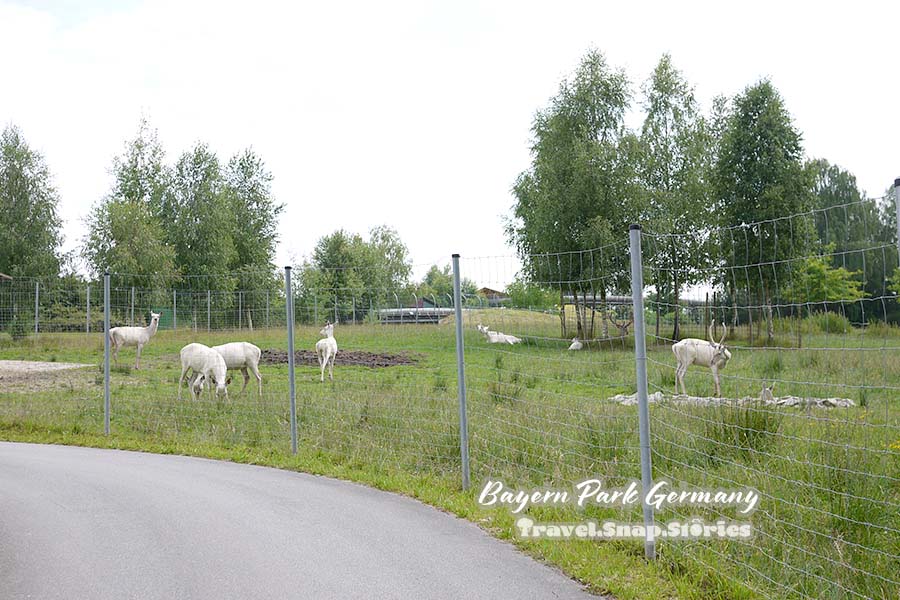
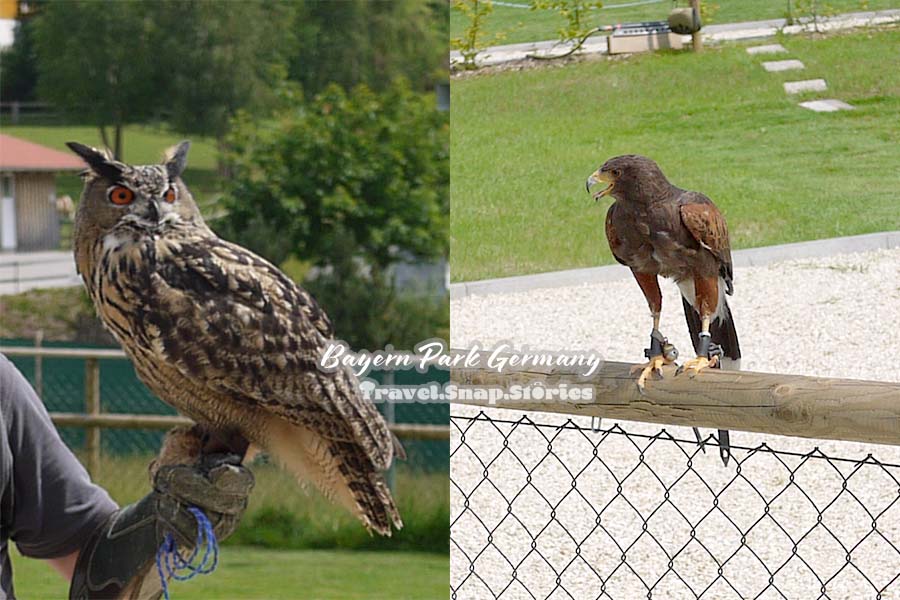
In the end, it was a fun-filled day as there were cute rides for 5 years old, thrilling coaster rides, live animals to look at and an interesting falcon/owl show to view. There was even a fast toboggan ride where I rode together with my 5 year old. A check on the website of Bayern Park shows that it is still in operation now in October 2025 with the same rides (we took them in 2013).

6. Würzburg Residenz
Würzburg is a city in the region of Franconia, Northern Bavaria, Germany. Located on the Main River, it is the capital of the Regierungsbezirk Lower Franconia. We had planned to do the romantic road tour after our 1.5 months stay in Bavaria. In the end, we decided to drive to the famous palace in Würzburg as it is an UNESCO World Heritage Site. From there, we would continue with Rothenburg.
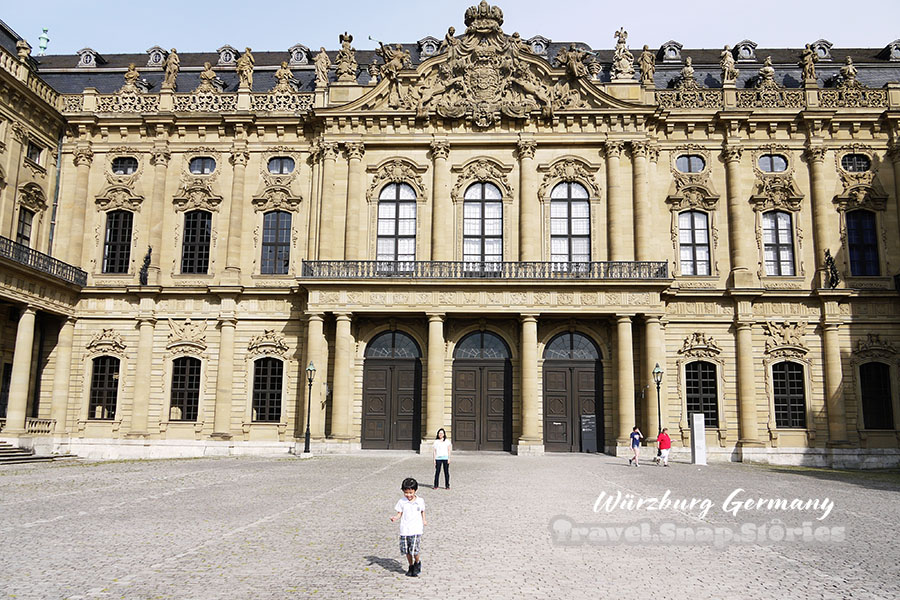
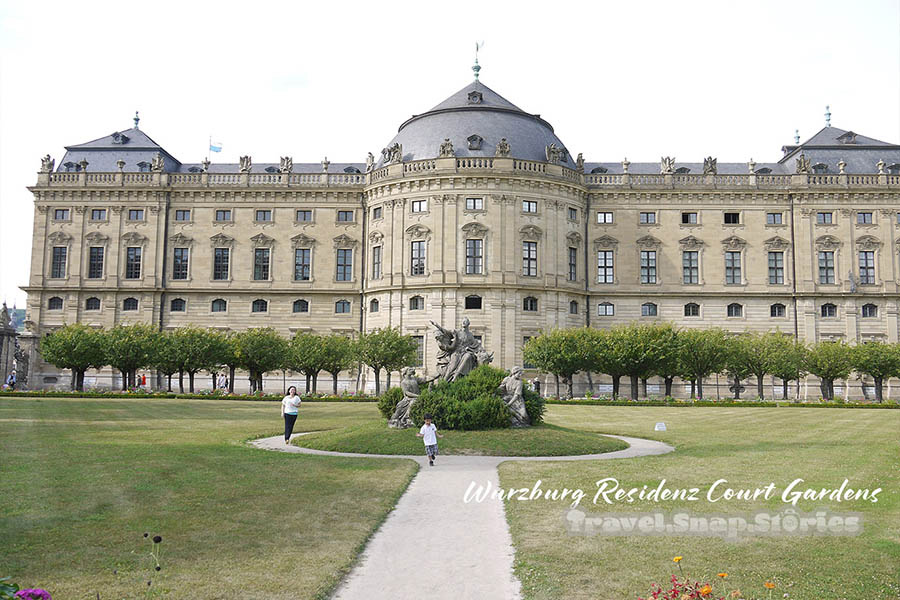
The Würzburg Residenz is one of the most important Baroque palaces built for Prince-Bishops, the rulers of Ancient Germany. It started in 1720 and took sixty years to finish. Part of the buildings were destroyed during World War II but was restored to its current state with reconstruction.
Once again, we were not allowed to take photographs inside while touring just like the Neuschwanstein Castle. (I guess they probably want us to buy the postcards or memento booklets later). However, you can take a look at the beautiful staircase on this official webpage and the numerous pictures shown.
Each room was decorated differently, with different accessories and colours. I was very interested in the woven tapestries and marvelled at the detailed artwork on each cloth. Each hall was also a feast for the eyes. At the end of the tour, we indeed bought a postcard from their souvenir shops to remember the room I liked the most. Intricate golden with a nice designed flooring.
Würzburg Court Gardens
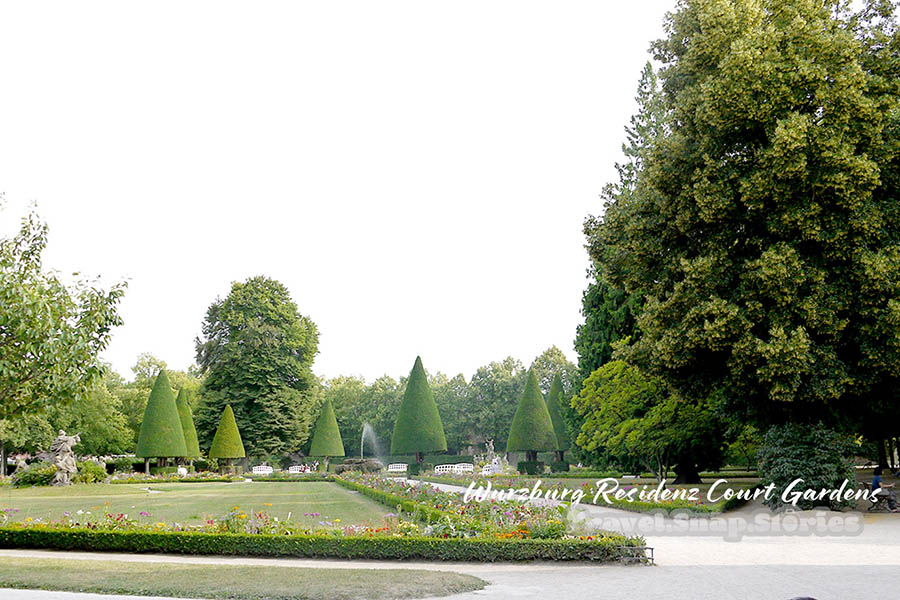
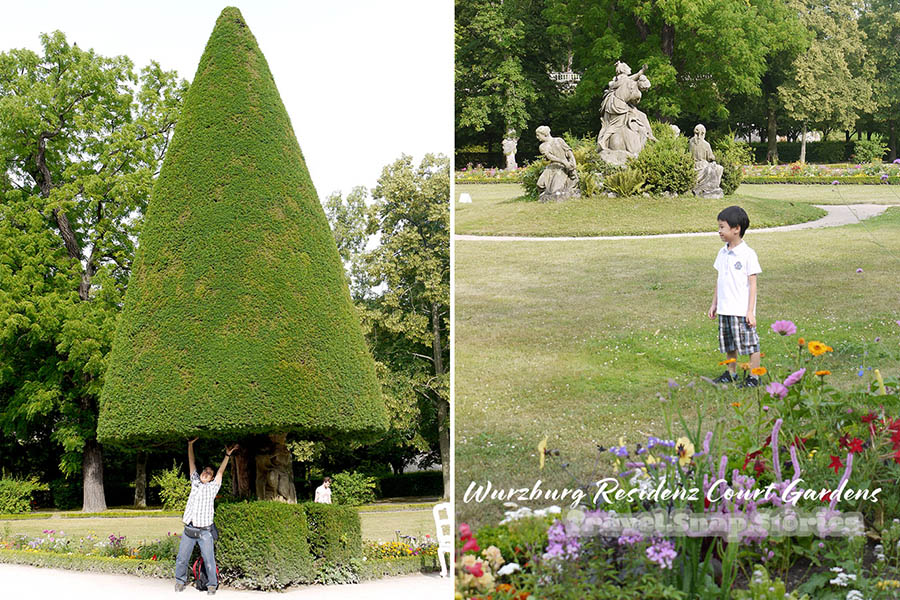
After we were done with our self-tour, we entered the huge Court Gardens. Prince Bishop of Würzburg, Adam Friedrich von Seinsheim (reigned 1755-1779) had employed a garden artist to work on the gardens, creating three sections, the East Garden, the South Garden and the nursery grounds. The walking path was stony white and so clean. There was no stray grass, everything was so green and the trees were planted in neat rows at almost equal distance. A few trees expertly cut into a cone shape, made the place look like a perfect ‘wonderland’.
7. Rothenburg ob der Tauber
Due to research on the towns along the “Romantic Road“, we wanted to see for ourselves the beautiful architecture and experienced a walk in a real medieval town (It’s a different feeling walking in a real one). We had also heard about a Night Watchman’s tour and wanted to do it for the evening.
The buildings had triangular roofs and wooden planks crisscrossed on the walls of the upper storey. This is a feature of German old houses and you could get them as models in shops. Walking on the cobblestone paths, we enjoyed the feeling of stepping into medieval fantasy.
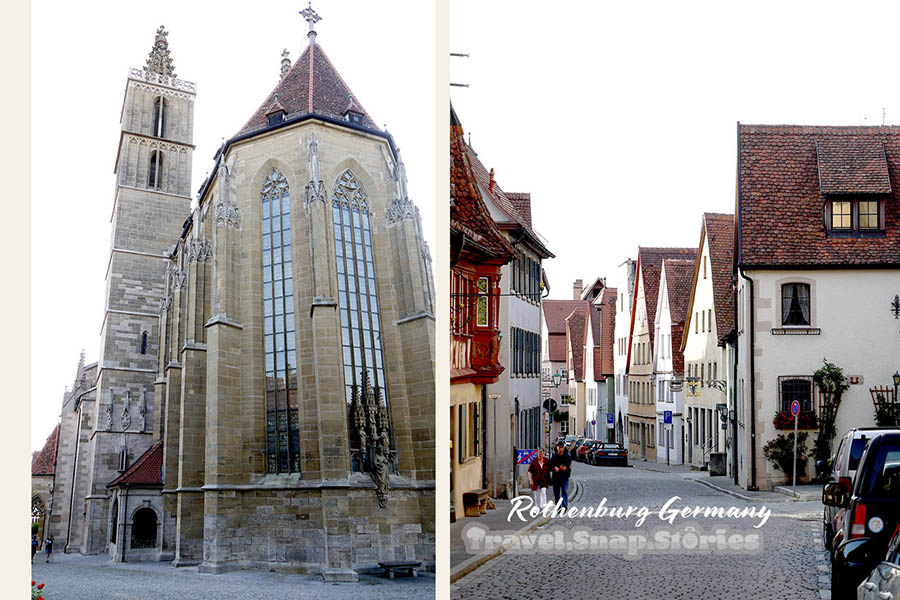
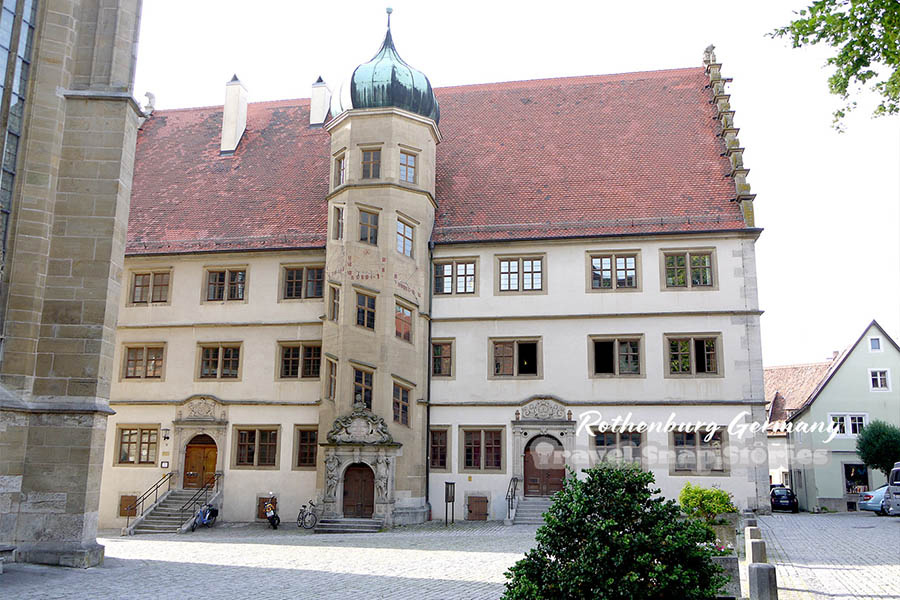
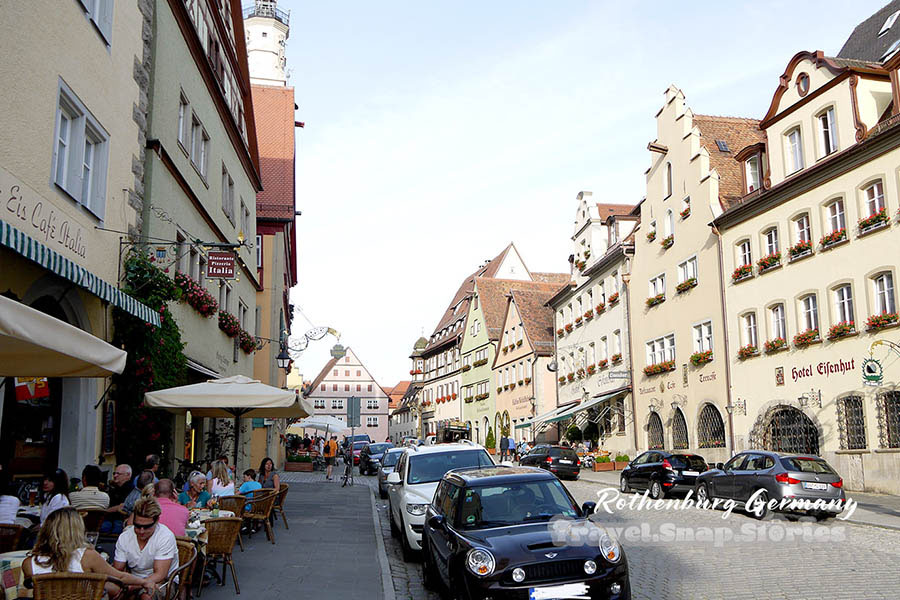
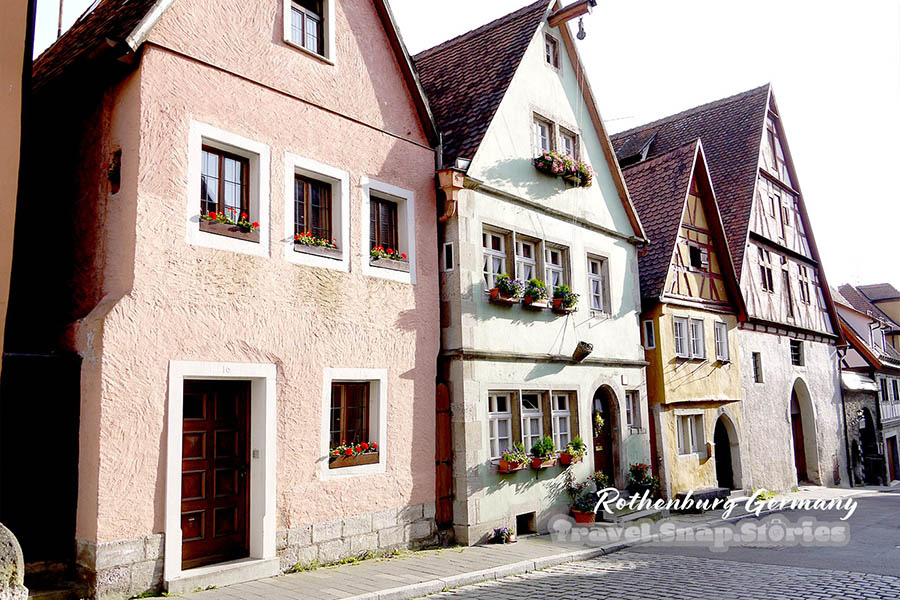
Coming from Burghausen and having visited several old towns, we were used to medieval architecture. However, Rothenburg is quite unique as the entire town was full of historical buildings functioning as Churches, Town Halls, Resident Houses, Restaurants, Tavern etc. Residents still live in these historical houses constantly preserved or renovated, so they are not just abandoned displays nor museum. In fact, this quaint little town was used for filming several times. According to Wikipedia, it was the inspiration for the village in the 1940 Walt Disney movie Pinocchio. Filming was also done in Rothenburg for Harry Potter and the Deathly Hallows – Part 1 (2010) and Part 2 (2011).
Marktplatz (Market Square) Town Hall
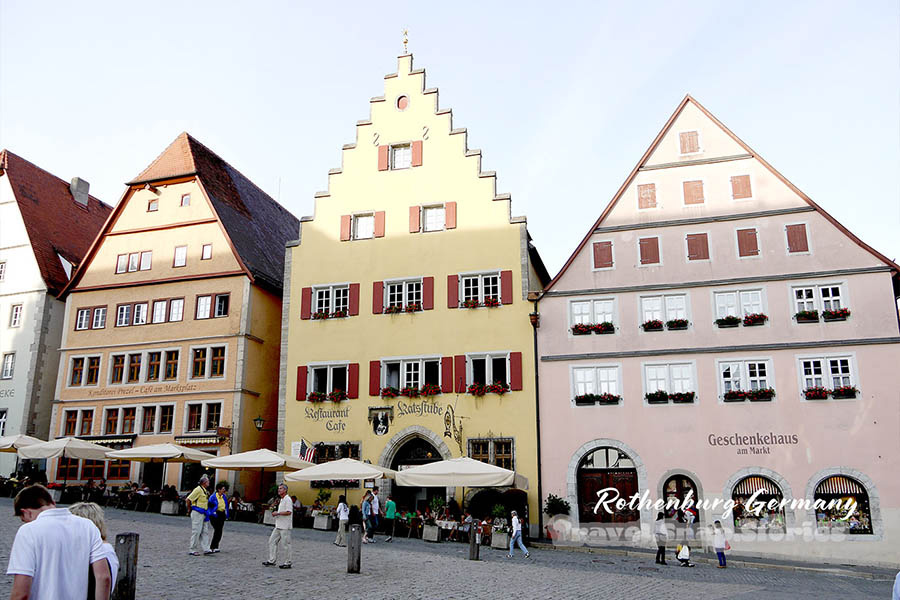
Historical Info: The Rathaus (town hall) is a notable renaissance building. The rear Gothic part of the building dates from 1250, and the attached front Renaissance building was started in 1572. This building served as the seat of government for the city-state during the medieval ages and for the city of Rothenburg since the formation of the federalist government. Source: Wikipedia
Night Watchman’s Tour
The ‘Night Watchman’ soon appeared with a sharp weapon in his hand and a candle lamp. A large crowd of people gathered in front of him as he introduced his ‘job’ and livened up the atmosphere. He started describing the history of the town and brought us around, pointing to several historical structure and explaining the story behind them. With a booming voice, he interspersed the lively stories with jokes, making the entire group laugh out several times. It was intriguing to us to learn about Rothenburg this way.
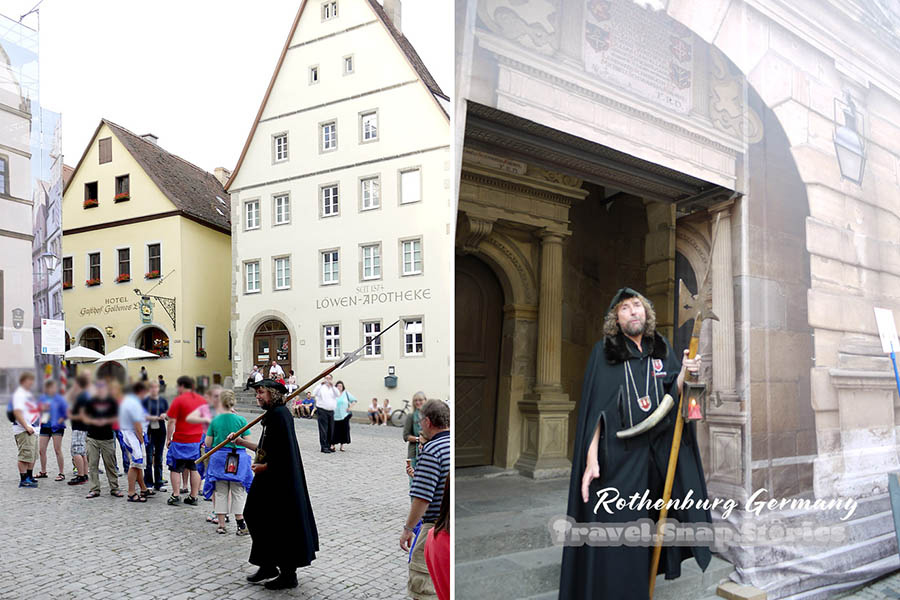

He told us about how Rothenburg was closed off for nearly three hundred years to the outside world as tourism and trading ceased, preserving itself in the 17th-century state. It thrived again later when artists and traders came in 1880s. We heard about how the U.S Assistant Secretary of War saved Rothenburg from being aerial bombed and completely destroyed during World War II, because he knew this was a beautiful town worthy to be preserved.
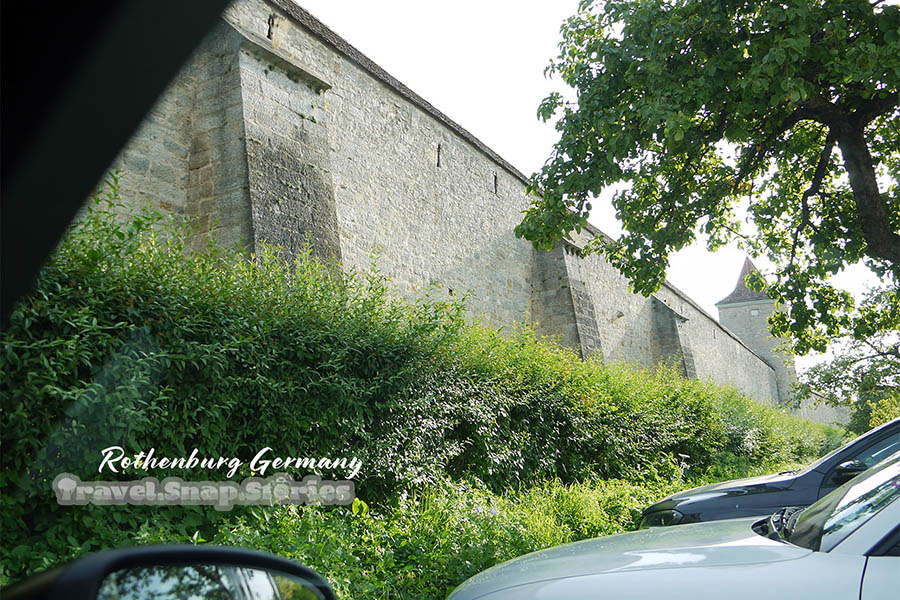
Due to the lack of time, we did not have a chance to walk one round of the walls, not go on top of it too. We were quite tired after our dinner and gave up climbing high. However, one could go up the Town Hall Tower which is open daily for visitors to climb. At the top of the tower, there is an admission fee to enter a room with a scenic view of almost the entire town.
- Read More: Details on the Night Watchman’s Tour



 Travel.Snap.Stories
Leave a comment